Scams that target sellers
- Overpayment: the “buyer” pays more than your price, by cheque, money order or a fake transfer, and asks you to send the difference back. The payment bounces after you have sent yours.
- Shipping agents: a buyer who is overseas or interstate wants to arrange a carrier and asks you to pay the agent’s fee, then sends a fake email saying their payment is waiting.
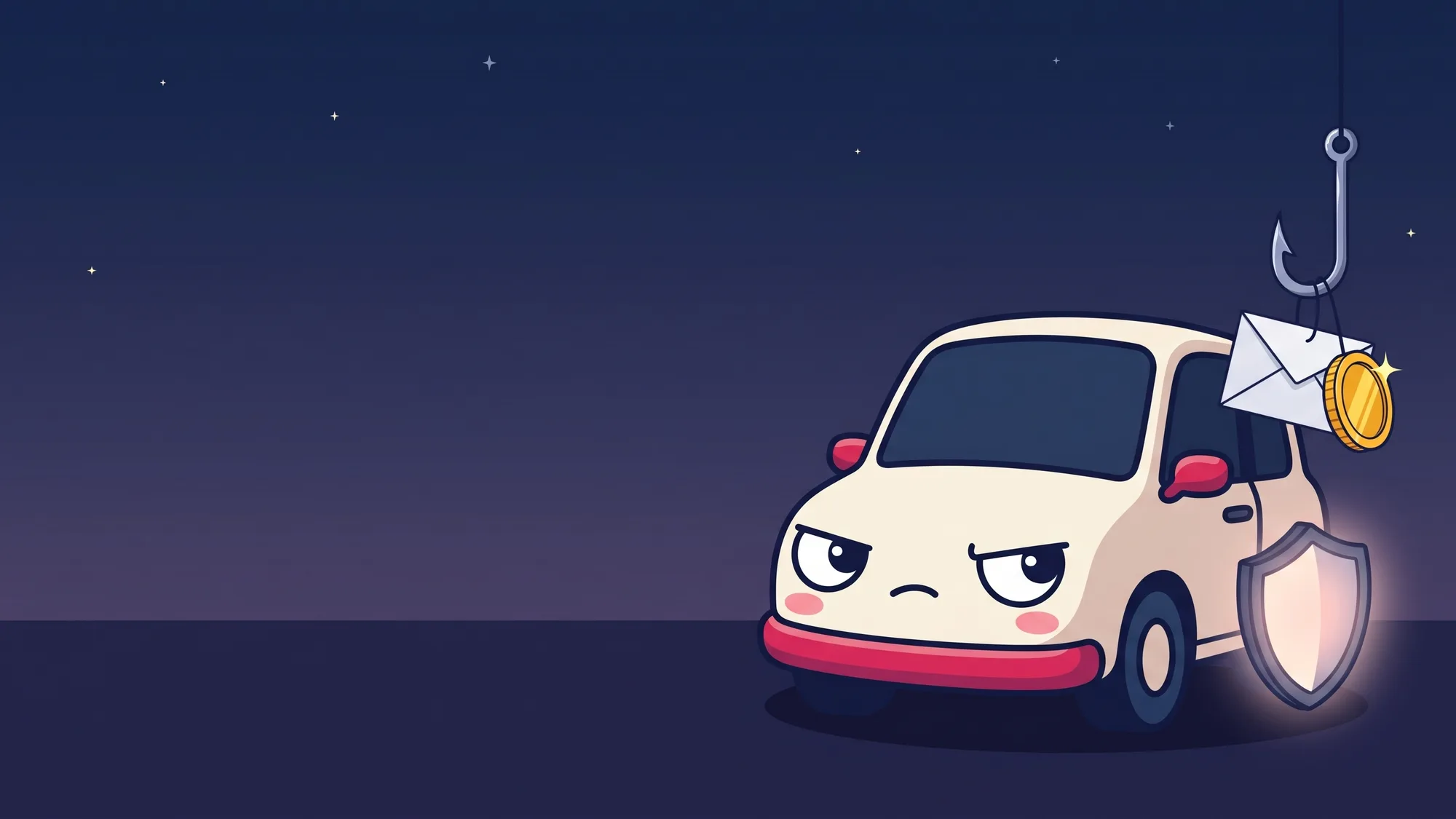
- Fake payment emails: an email that looks like it is from a bank or payment service, saying money is “on hold” until you do something. Check your actual account, never the email.
Scams that target buyers
- Too-cheap cars: a popular car well below its market price, from a seller who cannot meet because they are travelling or posted away.
- Deposits to “hold” a car: you pay to secure the car and it never arrives.
- Fake escrow: the seller insists a “third party” holds your money until delivery. The third party is the scammer.
- Changed bank details: an email or invoice with new account details for the balance. Confirm by phone, using a number you already had.
If you cannot see the car and the person together before money changes hands, walk away.
Signs that give a scam away
- Pressure: a deadline, a sad story, or a reason it has to happen today.
- Odd payment methods: gift cards, money orders, crypto, or payments split across several accounts.
- No inspection: a buyer who will pay without seeing the car, or a seller who will not let you see it.
- Moving off the site: a push to switch to email or another app straight away.
How to stay safe
- Meet in person, somewhere public, and take someone with you.
- Wait for cleared funds in your own account before handing over the car.
- Never pay to receive money. A real buyer never needs you to send money first.
- Run a PPSR check before you buy. See what to check before buying.
If something feels wrong on CarListing, report it through the contact page. You can also report scams to Scamwatch at scamwatch.gov.au.